
How to Stop Hair Loss: Treatment Options for Men and Women
How to Stop Hair Loss: Treatment Options for Men and Women
Hair loss is one of the most common concerns we see at FREEDOMclinic Toronto, and one of the most common questions patients ask is: How do I stop it? The answer depends on the cause. Hair loss can happen for many reasons, including genetics, hormonal influences, stress, scalp inflammation, illness, nutritional issues, traction, and other medical factors. Because of that, the best treatment is not the same for everyone.
For both men and women, the most important first step is getting the right diagnosis. A treatment that helps with androgenetic alopecia may not be the right treatment for telogen effluvium, traction alopecia, or inflammatory scalp conditions. At FREEDOMclinic Toronto, we focus on identifying the likely cause of hair loss and guiding patients toward evidence-based options that fit their scalp condition, pattern of thinning, and goals.
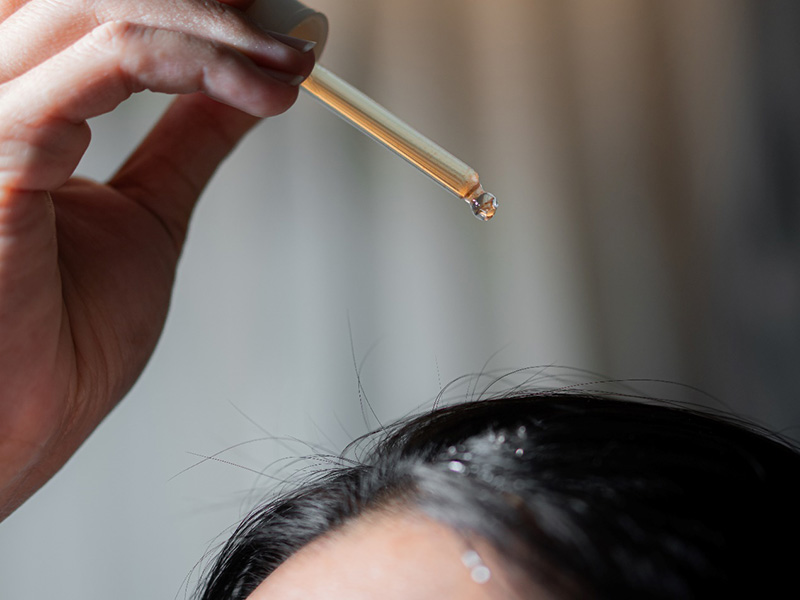
Why the Best Hair Loss Treatment Depends on the Cause
There is no single product or procedure that is universally the “best” hair loss treatment. Some patients are dealing with pattern hair loss. Others have increased shedding, scalp inflammation, or more than one issue at the same time. Clinical guidance emphasizes diagnosis first because successful treatment depends on matching the therapy to the type of hair loss.
Common contributors to hair loss may include:
- Androgenetic Alopecia
- Telogen Effluvium
- Hormonal changes
- Nutritional deficiency
- Scalp irritation or inflammation
- Traction from tight hairstyles
- Medication-related or medical causes
How to Stop Hair Loss in Men
In men, one of the most common causes of progressive thinning is male pattern hair loss. This often affects the temples, hairline, or crown and may gradually worsen over time if left untreated. Established medical options for men commonly include minoxidil and finasteride, depending on suitability. The American Academy of Dermatology notes that minoxidil can take 6 to 12 months to show results and must be used consistently to maintain benefit.
Treatment for men may include:
Topical Treatments
Topical treatments are often one of the first options considered. These may help stimulate follicles, prolong the growth phase, and support fuller-looking hair over time. Consistency matters, and patients usually need to continue treatment to maintain results.
Oral Medications
Some men may be candidates for prescription medication to help slow progression and preserve density. Suitability should always be assessed based on medical history and individual circumstances.
Combination Therapy
Many men do better when treatment is combined rather than relying on one approach alone. This may include topical therapy, prescription medication, scalp care, PRP, or LLLT depending on the case. The AAD notes that some treatments work better when combined.
How to Stop Hair Loss in Women
In women, hair loss may present differently. Female pattern hair loss often shows up as thinning through the top or crown rather than a receding hairline. The Canadian Dermatology Association notes that female pattern hair loss usually involves thinning on the top of the scalp and is common with age, genetics, and hormonal influence.
For women, treatment often depends on whether the issue is pattern hair loss, stress-related shedding, postpartum change, hormonal shifts, scalp inflammation, or another trigger.
Treatment options for women may include:
Topical Hair Growth Therapy
Topical minoxidil remains one of the best-established treatments for female pattern hair loss. The AAD states that minoxidil is the most-recommended treatment for female pattern hair loss and that both 2% and 5% formulations have been approved for women.
Scalp Health Support
In some women, scalp buildup, irritation, itching, or inflammation can worsen the overall condition of the scalp and hair. Improving scalp health may be an important part of the treatment plan.
Personalized Combination Plans
Women often benefit from a more individualized plan, especially when hair thinning overlaps with active shedding or scalp issues. The AAD notes that dermatologists may use more than one treatment to improve results in female pattern hair loss.
Topical Hair Growth Treatments
Topical treatment is often one of the most practical non-surgical starting points for both men and women. These treatments may help support follicles and reduce progressive thinning when used consistently and appropriately.
One advanced topical option available through FREEDOMclinic Toronto is Freedom Medical TrichoBoost™ Hair Growth Formula https://www.thefreedomstore.ca/FREEDOMclinic-Tricho-Boost-Hair-Growth-Serum-100-p/fctb100.htm. This formulation combines 5% Minoxidil, 0.25% Finasteride, and 0.3% Bimatoprost to target hair follicles at multiple levels and support thicker, healthier-looking hair. It may be considered as part of a broader treatment plan for androgenetic alopecia and other hair loss presentations.
PRP and Regenerative Hair Loss Support
For some patients, hair restoration involves more than medication alone. Platelet-Rich Plasma (PRP) https://www.freedomclinictoronto.com/hair-loss-solutions/prp-for-hair-loss/is a non-surgical option often used to support follicle activity and scalp health. In some cases, regenerative therapies may be used alongside topical treatment, oral medication, or LLLT as part of a combination plan.
Low-Level Laser Therapy (LLLT)
Low-Level Laser Therapy (LLLT) https://www.thefreedomstore.ca/LLLT-Devices-for-Hair-Loss-s/745.htmis a non-surgical option that uses low-level light to stimulate hair follicles. The AAD notes that laser therapy may help with hereditary hair loss, and recent AAD guidance on red-light therapy describes low-level laser treatment as a potentially effective, non-invasive option, with some evidence suggesting the best results may occur when it is combined with minoxidil.
At FREEDOMclinic Toronto, LLLT may be recommended as part of a broader treatment strategy for men and women who want a non-invasive option that can complement other therapies.
Scalp Treatment and Scalp Health Support
Healthy hair growth starts with a healthy scalp. Chronic flaking, itching, excess oil, inflammation, and buildup can interfere with scalp comfort and may also affect overall hair quality. That is why scalp treatment is often an important part of stopping hair loss, especially when patients also have dandruff, seborrheic dermatitis, or chronic irritation.
Scalp-focused care may include:
- medicated shampoos
- anti-inflammatory scalp care
- scalp cleansing protocols
- supportive home care
One supportive product available through FREEDOMclinic Toronto is FREEDOMclinic Medicated Shampoo https://www.thefreedomstore.ca/FREEDOMclinic-Medicated-Shampoo-250ml-p/fcms250.htmwith 2% Zinc Pyrithione, designed to help address flaking, itching, and scalp irritation associated with dandruff and seborrheic dermatitis.
How Long Does It Take to See Results?
Hair loss treatment requires patience. Hair grows slowly, and meaningful changes usually take time. The AAD notes that minoxidil may take 6 to 12 months to show visible benefit in some patients, and that consistency is important. Patients tend to do best when they understand from the beginning that treatment is gradual and ongoing.
When Should You Seek Help for Hair Loss?
You should consider a professional assessment if you notice:
- increased daily shedding
- thinning at the temples, top, or crown
- widening of the part
- more visible scalp
- persistent flaking, itching, or irritation
- shorter, finer hairs replacing thicker hairs
Early assessment matters because many types of hair loss respond better when addressed sooner rather than later.
FREEDOMclinic Toronto: Personalized Hair Loss Treatment for Men and Women
If you have been searching for how to stop hair loss or the best hair loss treatment, the answer usually starts with understanding the cause. At FREEDOMclinic Toronto, we help men and women explore evidence-based options for thinning hair, excessive shedding, scalp issues, and pattern hair loss.
Whether your concern is early thinning, chronic shedding, scalp irritation, or progressive pattern hair loss, a personalized plan can make a meaningful difference.
Book a Consultation
https://www.freedomclinictoronto.com/contact-us/
If you are concerned about hair thinning, shedding, or scalp discomfort, book a consultation with FREEDOMclinic Toronto to explore treatment options tailored to your needs.
Androgenetic Alopecia Explained: Male & Female Pattern Hair Loss
Hair thinning is extremely common, but understanding why it is happening is an…

A Trichology-Based Approach to Telogen Effluvium at Freedom Clinic Toronto
At Freedom Clinic Toronto, we do not look at excessive shedding as a…