
Why Am I Losing My Hair? Common Causes Explained
Why Am I Losing My Hair? Common Causes Explained
Hair loss is one of the most common concerns we see at FREEDOMclinic Toronto—and one of the most stressful. If you’ve been asking yourself, “Why am I losing my hair?”, you’re not alone. The good news is that hair loss is usually diagnosable and treatable, especially when addressed early. Below are the most common causes we diagnose in clinic.
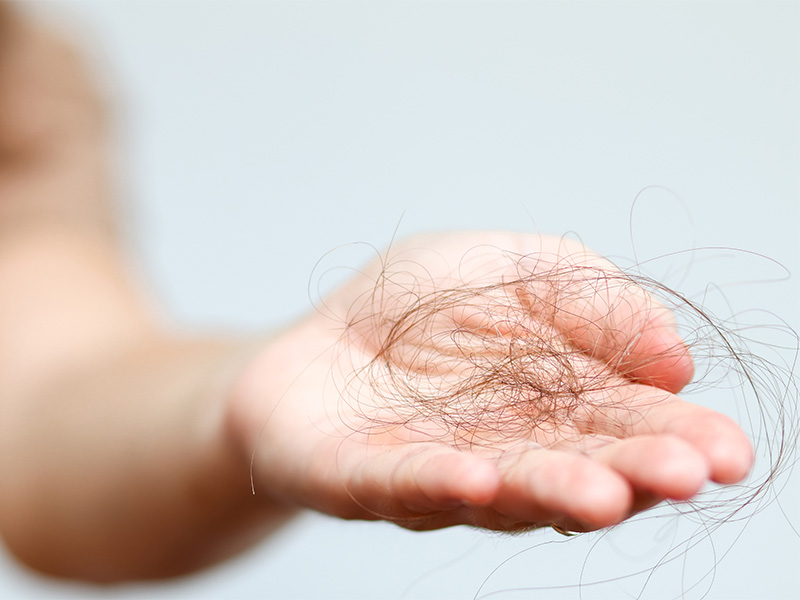
1. Androgenetic Alopecia (Pattern Hair Loss)
This is the most common cause of hair loss in both men and women. It is driven by a sensitivity to DHT (dihydrotestosterone), which gradually shrinks, or miniaturizes, hair follicles over time.
How it presents:
- Men: receding hairline, thinning crown
- Women: diffuse thinning, widening part, reduced density
What’s happening:
Hair follicles become smaller and produce finer, shorter hairs until growth slows significantly.
Common signs:
- Gradual thinning over years
- Family history of hair loss
- Increased vellus, or fine, hairs
- Reduced hair density
For patients experiencing pattern hair loss, early intervention is important. Treatment options may include topical hair loss treatments, PRP, exosome therapy, or a customized long-term maintenance plan.
2. Telogen Effluvium (Sudden Shedding)
This is one of the most common causes of sudden hair loss. It occurs when a large number of hairs shift prematurely into the shedding, or telogen, phase.
Common triggers:
- Stress, emotional or physical
- Surgery or anesthesia
- Illness, including COVID
- Hormonal changes, such as postpartum shedding
- Rapid weight loss
How it presents:
Increased shedding in the shower or while brushing
Hair coming out easily
Diffuse thinning with no specific pattern
Important to know:
Telogen effluvium is often temporary, but if underlying pattern hair loss exists, regrowth may come back thinner or weaker. A professional hair loss assessment can help determine whether sudden shedding is temporary or connected to an underlying condition.
3. Poor Scalp Health
A healthy scalp is essential for healthy hair growth. Inflammation, buildup, and irritation can disrupt the follicle environment and contribute to both shedding and poor regrowth.
Common conditions:
- Seborrheic dermatitis, commonly known as dandruff
- Scalp psoriasis
- Chronic scalp inflammation
- Excess oil, itching, or buildup
Symptoms:
- Itching
- Flaking
- Redness
- Oily or irritated scalp
- Burning or sensitivity
Why it matters:
Chronic inflammation can weaken follicles and interfere with normal hair cycling. For patients with itching, flaking, or scalp irritation, a targeted scalp routine may include a medicated shampoo for scalp health to help reduce buildup, irritation, and flaking.
4. Hormonal Imbalances
Hormones directly regulate the hair growth cycle. Even small imbalances can lead to shedding, thinning, or slower regrowth.
Common causes:
- Thyroid disorders
- PCOS, or polycystic ovarian syndrome
- Menopause
- Postpartum hormonal changes
- Changes in androgen or estrogen levels
Signs to watch for:
- Diffuse thinning
- Sudden changes in hair density
- Changes in energy, weight, skin, or menstrual cycle
- Increased shedding after hormonal shifts
A clinical trichology consultation can help identify whether hormonal changes may be contributing to your hair loss and whether further medical investigation is recommended.
5. Nutritional Deficiencies
Hair requires consistent nutrients to grow properly. When the body is deficient, hair growth may slow and shedding can increase.
Common deficiencies associated with hair loss include:
- Iron / ferritin
- Vitamin D
- Vitamin B12
- Protein
- Zinc or other key nutrients
Symptoms may include:
- Increased shedding
- Thinner, weaker hair
- Slower regrowth
- Hair that feels more fragile or brittle
Even “low-normal” levels can sometimes affect hair growth. A clinical trichology consultation can help determine whether internal factors may be contributing to thinning or shedding.
6. Traction Alopecia (Mechanical Damage)
Traction alopecia is caused by repeated tension on the hair follicles.
Common causes:
- Tight ponytails or buns
- Braids or cornrows
- Extensions or weaves
- Repeated pulling from styling habits
How it presents:
- Thinning around the hairline
- Breakage in high-tension areas
- Receding edges
- Tenderness in areas under repeated tension
Early stages may be reversible, but long-term tension can cause permanent follicle damage.
7. Scarring Alopecia (Inflammatory Hair Loss)
Scarring alopecia is less common, but it is very important to catch early. These conditions involve inflammation that can permanently damage the hair follicle.
Examples include:
- Lichen Planopilaris, or LPP
- Frontal Fibrosing Alopecia
- Folliculitis Decalvans
- Central Centrifugal Cicatricial Alopecia, or CCCA
Symptoms may include:
- Redness, burning, itching, or pain
- Patchy hair loss
- Pustules or inflammation
- Loss of visible follicle openings
- Hair loss that continues to expand
These conditions require early medical attention to reduce the risk of permanent loss. A professional hair loss assessment can help identify warning signs and determine whether a dermatology referral may be needed.
When Should You Be Concerned About Hair Loss?
You should seek a professional assessment if you notice:
- Sudden increase in shedding
- Visible thinning or widening part
- Receding hairline
- Itchy, inflamed, or painful scalp
- Patchy areas of hair loss
- Hair not regrowing as it used to
The Most Important Step: Proper Diagnosis
Hair loss is rarely caused by just one factor.
At FREEDOMclinic Toronto, we perform:
- Clinical trichology consultations
- Scalp analysis and microscopic evaluation
- Full medical, hormonal, lifestyle, and hair history review
A [clinical trichology consultation] Contact Us | Toronto, ON | FREEDOMclinic allows us to identify the true cause of your hair loss and build a targeted treatment plan.
Depending on the diagnosis, treatment may include topical hair loss treatments, PRP hair restoration treatments, scalp treatments, medical referral, or other customized options.
For advanced thinning or cosmetic density concerns, patients may also consider Scalp Micropigmentation SMP or hair transplant planning.
Book a Consultation
If you’ve been asking, “Why am I losing my hair?”, we can help you find answers.
Early diagnosis can make a significant difference in preserving existing hair, improving regrowth, and slowing progression.
Book a consultation with FREEDOMclinic Toronto for a professional assessment and personalized treatment plan.
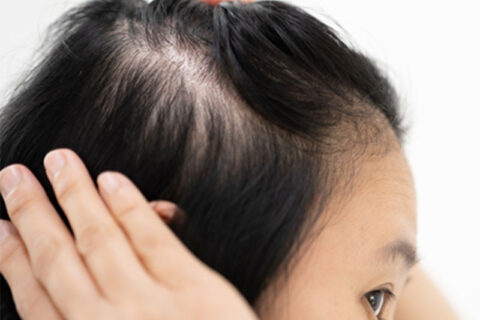
Androgenetic Alopecia Explained: Male & Female Pattern Hair Loss
Hair thinning is extremely common, but understanding why it is happening is an…

A Trichology-Based Approach to Telogen Effluvium at Freedom Clinic Toronto
At Freedom Clinic Toronto, we do not look at excessive shedding as a…