Chemical Peel vs. Microneedling: Which Is Right for Your Skin?
Chemical Peel vs. Microneedling: Which Is Right for Your Skin?
If you’re looking to improve your skin’s texture, reduce acne scars, minimize fine lines, or achieve a brighter, more youthful complexion, you’ve likely come across two popular skin rejuvenation treatments: chemical peels and microneedling.
Both treatments can help improve the appearance of your skin, but they work in different ways and target different concerns. Understanding these differences can help you choose the treatment best suited to your skin type, goals, and lifestyle.
At Freedom Clinic Toronto, we offer professional chemical peels and microneedling treatments tailored to your individual skin concerns. Here’s what you should know before deciding which option is right for you.
What Is a Chemical Peel?
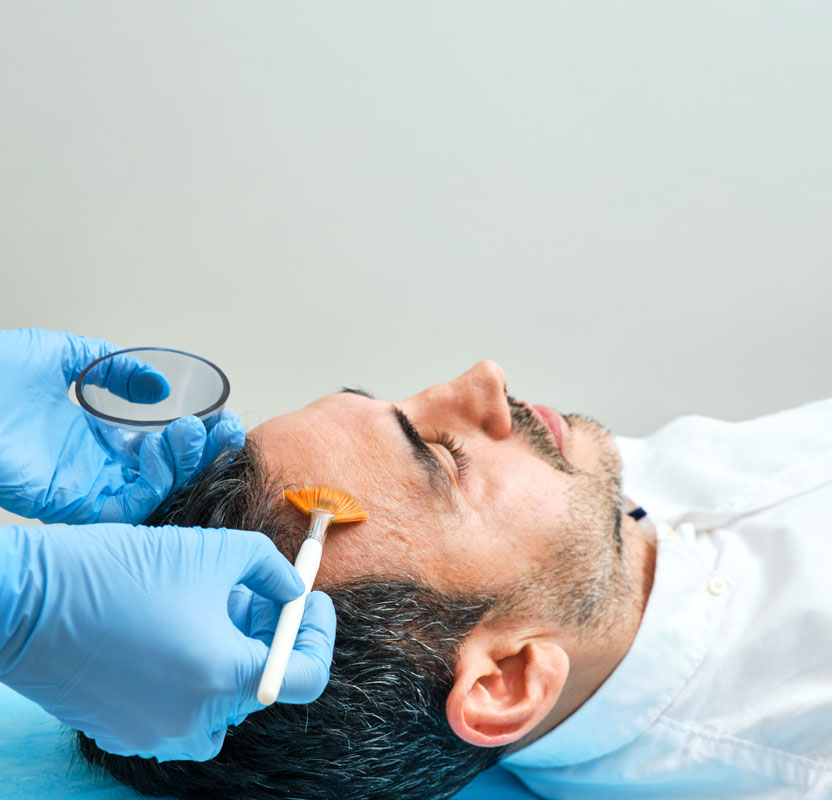
A chemical peel is a professional skin-resurfacing treatment that uses carefully selected exfoliating solutions to remove damaged surface skin cells and encourage skin renewal.
Depending on the formula and strength, chemical peels can improve skin clarity, smoothness, and overall tone.
Benefits of Chemical Peels
- Brightens dull, tired-looking skin
- Helps reduce dark spots and uneven pigmentation
- Improves rough skin texture
- Helps manage certain types of acne and clogged pores
- Softens the appearance of fine lines
- Promotes a smoother, more radiant complexion
Best for: Individuals concerned with dullness, superficial pigmentation, uneven skin tone, mild acne, and rough skin texture.
Chemical peels range from gentle, superficial treatments to deeper resurfacing procedures. Recovery time and results depend on the type of peel, its strength, and your skin’s response.
What Is Microneedling?
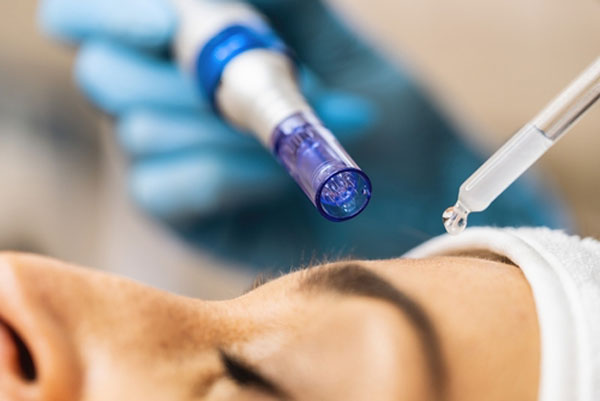
Microneedling, also known as collagen induction therapy, is a minimally invasive treatment that uses fine, sterile needles to create controlled micro-injuries in the skin.
These micro-injuries stimulate the skin’s natural repair process, encouraging collagen and elastin production. Over time, this can improve skin firmness, texture, and the appearance of scars.
Benefits of Microneedling
- Helps reduce the appearance of acne scars
- Stimulates natural collagen production
- Improves uneven skin texture
- Softens fine lines and wrinkles
- Helps minimize the appearance of enlarged pores
- Supports firmer, smoother-looking skin
Best for: Individuals looking to improve acne scarring, fine lines, enlarged pores, and overall skin texture.
At Freedom Clinic Toronto, microneedling is available with or without platelet-rich plasma (PRP), depending on your treatment goals and suitability.
Chemical Peel vs. Microneedling: Key Differences
Although both treatments support skin rejuvenation, their methods and primary benefits differ.
| Feature | Chemical Peel | Microneedling |
| How it works | Exfoliates and resurfaces skin | Stimulates collagen through controlled micro-injuries |
| Best for | Pigmentation, dullness, mild acne | Acne scars, texture, fine lines |
| Collagen stimulation | Varies by peel depth | Primary treatment mechanism |
| Downtime | Minimal to several weeks, depending on depth | Usually a few days to one week |
| Results | May appear as skin heals and renews | Develop gradually over weeks to months |
| Treatment sessions | Often a series for superficial peels | Often multiple sessions |
Which Treatment Is Better for Your Skin Concerns?
For Acne Scars: Microneedling
If you’re dealing with depressed acne scars or uneven texture left behind by breakouts, microneedling is often the more suitable option.
By stimulating collagen production beneath the skin’s surface, microneedling can gradually soften the appearance of certain acne scars.
However, not all scars respond equally. Deep or raised scars may require other treatments or a combination approach.
For Dark Spots and Hyperpigmentation: Chemical Peels
Chemical peels may be beneficial for superficial discolouration, sun damage, and certain types of post-acne pigmentation.
By encouraging exfoliation and cell turnover, carefully selected peels can help create a more even-looking complexion.
Individuals with melasma or darker skin tones require particular care, as inappropriate or aggressive treatments can worsen pigmentation.
For Fine Lines and Wrinkles: Both Treatments
Both treatments may improve the appearance of fine lines, but they approach skin rejuvenation differently.
Chemical peels help smooth the skin’s surface, while microneedling encourages collagen production to support longer-term improvements in texture and firmness.
The ideal choice depends on the depth of wrinkles and your overall skin condition.
For Dull Skin and Uneven Tone: Chemical Peels
If your main goal is brighter, smoother-looking skin, a superficial chemical peel may be an excellent starting point.
These treatments help remove accumulated dead skin cells, leaving the complexion looking refreshed and more radiant.
For Enlarged Pores and Uneven Texture: Microneedling
Microneedling can help improve the appearance of enlarged pores and irregular texture by supporting collagen remodelling.
Although pores cannot be permanently eliminated, improving the surrounding skin’s texture may make them appear less noticeable.
Can You Combine Chemical Peels and Microneedling?
In some cases, yes. Chemical peels and microneedling can complement one another as part of a personalized skin rejuvenation plan.
For example, a chemical peel may help address superficial pigmentation and dullness, while microneedling targets acne scarring and collagen loss.
However, these treatments should be appropriately spaced and professionally assessed to reduce irritation and allow the skin to recover. Combining them is not suitable for everyone.
What About Downtime and Recovery?
Recovery is an important consideration when choosing a skin treatment.
After a chemical peel, you may experience temporary redness, dryness, flaking, or peeling. Superficial peels typically require less recovery, while stronger peels can involve more significant downtime.
After microneedling, the skin may appear red or feel sensitive, similar to a mild sunburn. These effects often improve within several days, although recovery varies.
Following professional aftercare instructions and using appropriate sun protection are essential following either procedure.
Before treatment, let your provider know about active skin infections, inflammatory acne, recent sun exposure, medications such as isotretinoin, and any history of abnormal scarring. These factors may affect treatment suitability.
Why Choose Freedom Clinic Toronto for Skin Rejuvenation?
At Freedom Clinic Toronto, we understand that every person’s skin is different. Our medical aesthetics services focus on personalized treatments designed around your specific skin concerns and desired results.
Whether you’re looking to address acne scars, uneven pigmentation, fine lines, or overall skin texture, our team can help you explore suitable options.
Our skin rejuvenation services include chemical peels, microneedling, PRP facials, and other professional aesthetic treatments.
Ready to Improve Your Skin?
Choosing between a chemical peel and microneedling doesn’t have to be complicated.
If your primary concern is dullness, uneven pigmentation, or surface texture, a chemical peel may be the better choice. If you’re looking to improve acne scars, collagen loss, or deeper textural concerns, microneedling may be more appropriate.
The best treatment is the one selected for your individual skin needs.
Contact Freedom Clinic Toronto to book a skin consultation and discover which professional skin rejuvenation treatment is right for you.